
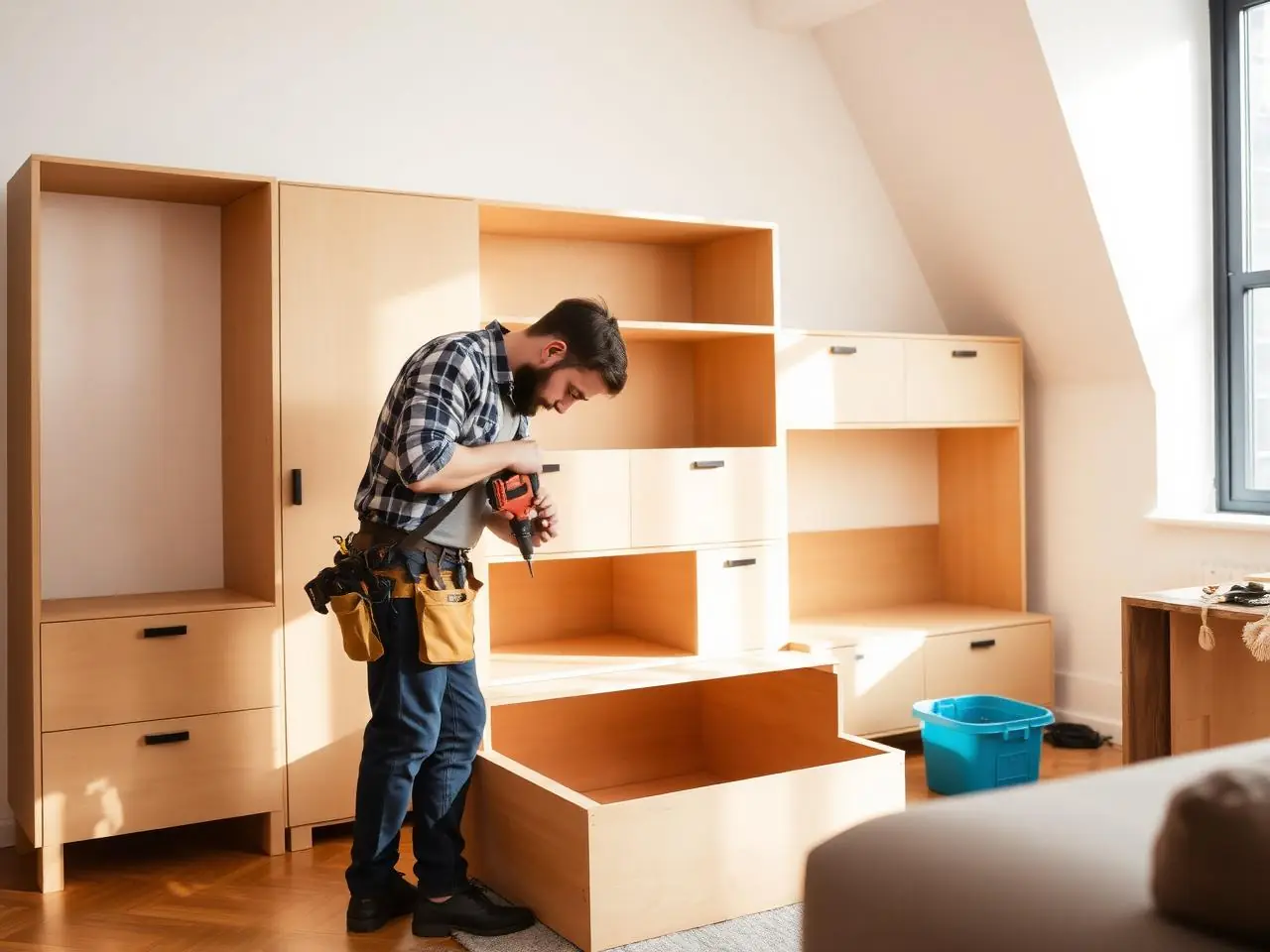
Plenty of home jobs are genuinely a job for a Saturday morning. A few are not, and getting that wrong can void your insurance, fail a house sale, or hurt someone. Here is the honest line between the two, plus how to check anyone before they start. This is general guidance — if you are unsure about a specific job, ask a registered professional.
Never DIY: gas
Any work on gas appliances or pipework must be carried out by an engineer on the Gas Safe Register. This is legal, not advisory. That covers boilers, gas hobs and cookers, gas fires and the pipework feeding them.
Ask for the engineer's Gas Safe ID card, check the licence number on the register, and confirm the card covers the type of appliance they are working on. Landlords also need an annual gas safety check on rented property.
Almost never DIY: electrics
In England and Wales, some electrical work in homes is notifiable under Part P of the Building Regulations — new circuits, consumer unit work, and work in bathrooms or outdoors. It must either be done by a registered competent-person electrician who certifies it, or signed off by building control.
Swapping a like-for-like light fitting or socket faceplate on an existing circuit is generally not notifiable, but it still has to be safe and tested. Landlords in England need an electrical installation condition report at least every five years.
- Registered electrician needed: new circuits, fuse board changes, garden power, bathroom wiring
- Usually fine yourself: replacing a bulb, a light fitting, or a faceplate on an existing circuit
- Always: turn off at the consumer unit and test before touching anything
Plumbing: mostly open, with limits
Most plumbing has no licensing requirement, so a competent handyman or plumber can change taps, fix a running toilet, clear a trap or replace a shower hose. The limits are around heating and hot water systems: anything gas-fired is Gas Safe territory, and unvented hot water cylinders need a specific qualification.
The other limit is honesty about consequences. A leak behind a wall or under a floor is cheap to fix early and expensive later, so treat a persistent damp patch as urgent rather than a weekend job.
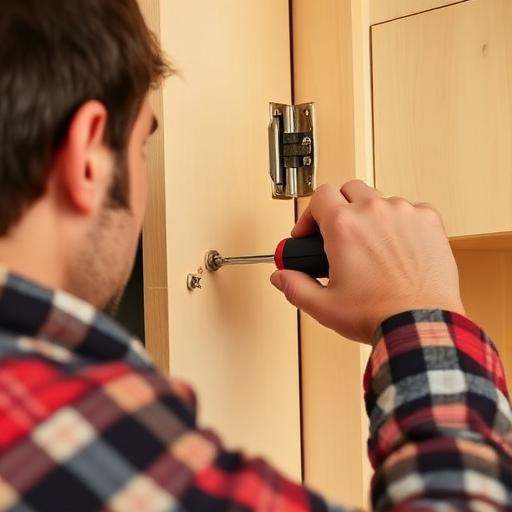
What a good handyman covers
For everything else, a handyman is usually the fastest and cheapest option because they bring tools and do several small jobs in one visit.
- Flat-pack assembly and furniture repair
- Shelves, mirrors, TV brackets and curtain poles — including finding the right fixing for the wall
- Doors that stick, hinges, handles and locks
- Sealing baths and kitchen splashbacks
- Filling, patching and small paint repairs
- Smoke alarms, blinds and general tightening-up
Structural, damp and roofs
Removing a wall, cutting into joists, altering a roof or widening an opening can need building regulations approval, and in some cases a structural engineer's calculations. Flats have an extra layer: your lease may require freeholder consent for anything structural, and neighbouring-wall work may fall under the Party Wall etc. Act.
If a job affects a listed building or a conservation area, check with the council before anyone starts — retrospective permission is not something to rely on.
How to check anyone before they start
Ask for their trade registration number where one applies, their public liability insurance, a written price and what happens if the job takes longer. Get the price in writing before work starts, keep any certificate they issue, and pay on completion rather than in full up front. A professional will expect all of these questions.
Common questions
- Can a handyman do electrical work?
- Only non-notifiable work such as replacing a light fitting or faceplate on an existing circuit. New circuits, consumer units, bathrooms and outdoor power need a registered electrician.
- Do I legally need a Gas Safe engineer?
- Yes. Any work on gas appliances or pipework in the UK must be done by a Gas Safe registered engineer, and you can check their ID card against the register.
- Does DIY affect my home insurance?
- It can. Damage caused by unqualified work on gas, electrics or plumbing is a common reason a claim is reduced or refused, so keep certificates for regulated work.