
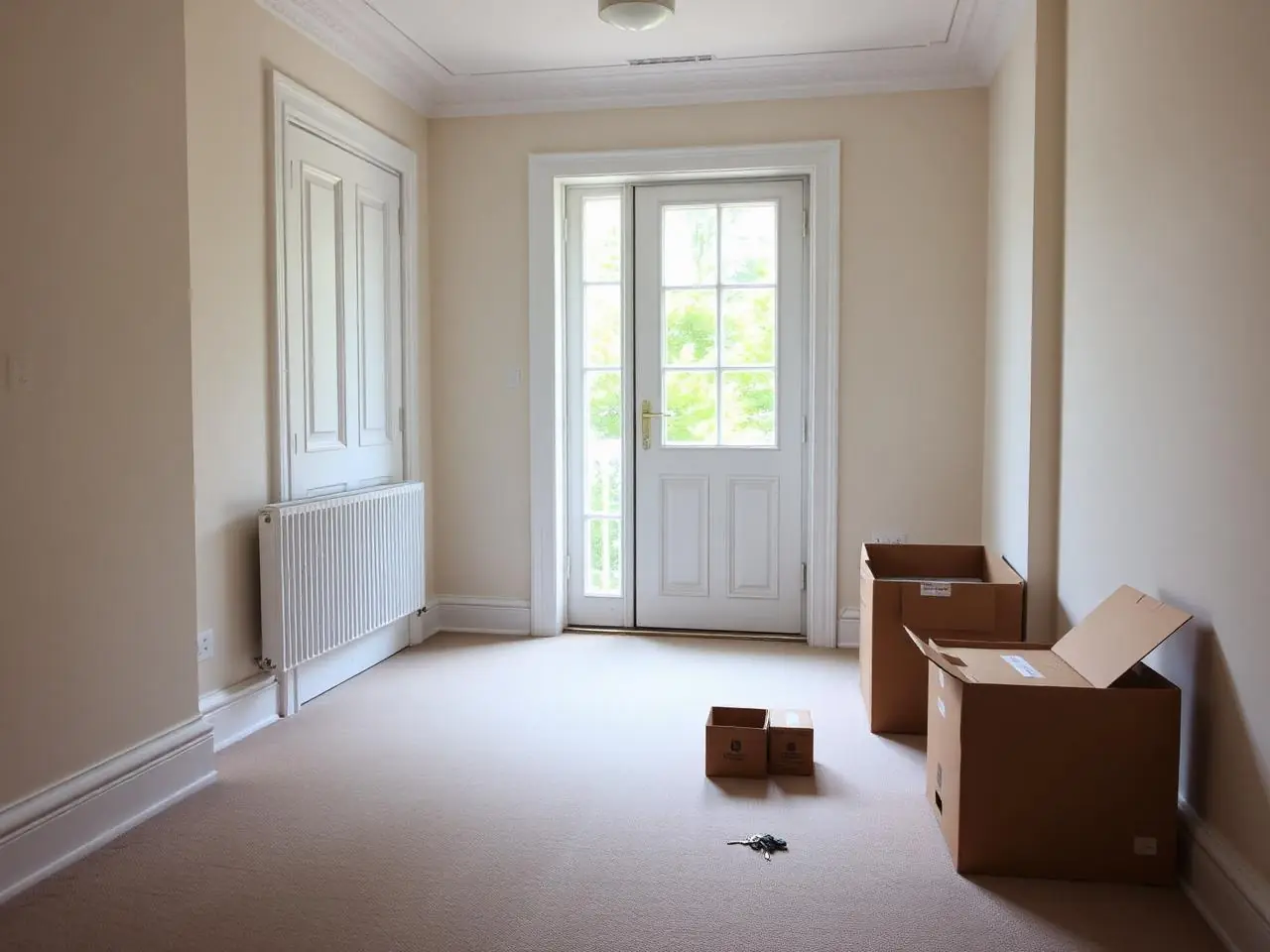
Deposit disputes rarely turn on big dramatic damage. They turn on ovens, limescale, marks on walls and a garden left long. Here is what an inventory clerk looks at, and how to work through a flat before you hand the keys back.
Start with your check-in inventory
Your check-in report is the benchmark you will be judged against, so read it before you clean anything. Note the condition recorded for each room and take dated photographs at check-out that mirror it — same rooms, same angles, good light.
In England and Wales your deposit should be held in a government-approved tenancy deposit scheme, and each scheme has a free dispute process if you cannot agree deductions. Evidence is what wins those cases.
Kitchen — where most money is lost
The kitchen is the single most disputed room. Budget most of your time here.
- Oven, grill, racks and door glass, including the inside of the door seal
- Extractor hood and its filter
- Hob, splashback and behind the kettle and toaster
- Inside and on top of all cupboards, plus cupboard doors and handles
- Fridge and freezer emptied, defrosted, cleaned and left switched off with the door ajar if the tenancy has ended
- Washing machine drawer, rubber seal and filter
- Sink, taps, plughole and any limescale
- Floor including edges, and behind free-standing appliances if you can move them safely
Bathroom
Limescale and mould are the two flags. London's hard water means scale builds fast on taps, shower heads and screens, and clerks do check.
- Shower screen, tiles and grout free of scale and mould
- Shower head descaled, taps polished
- Toilet including behind the pan and under the seat hinges
- Extractor fan cover dusted
- Mirror, cabinet inside and out, and the floor edges
- Sealant treated where it has discoloured — replace only with permission
Living areas and bedrooms
Here the issues are marks, dust in unseen places and missing items.
- Walls checked for scuffs; fill and touch up only if your agreement allows it and you can match the paint
- All picture hooks, nails and adhesive strips removed
- Carpets vacuumed thoroughly, including under beds and along edges; professional carpet cleaning if the tenancy requires it or pets have lived there
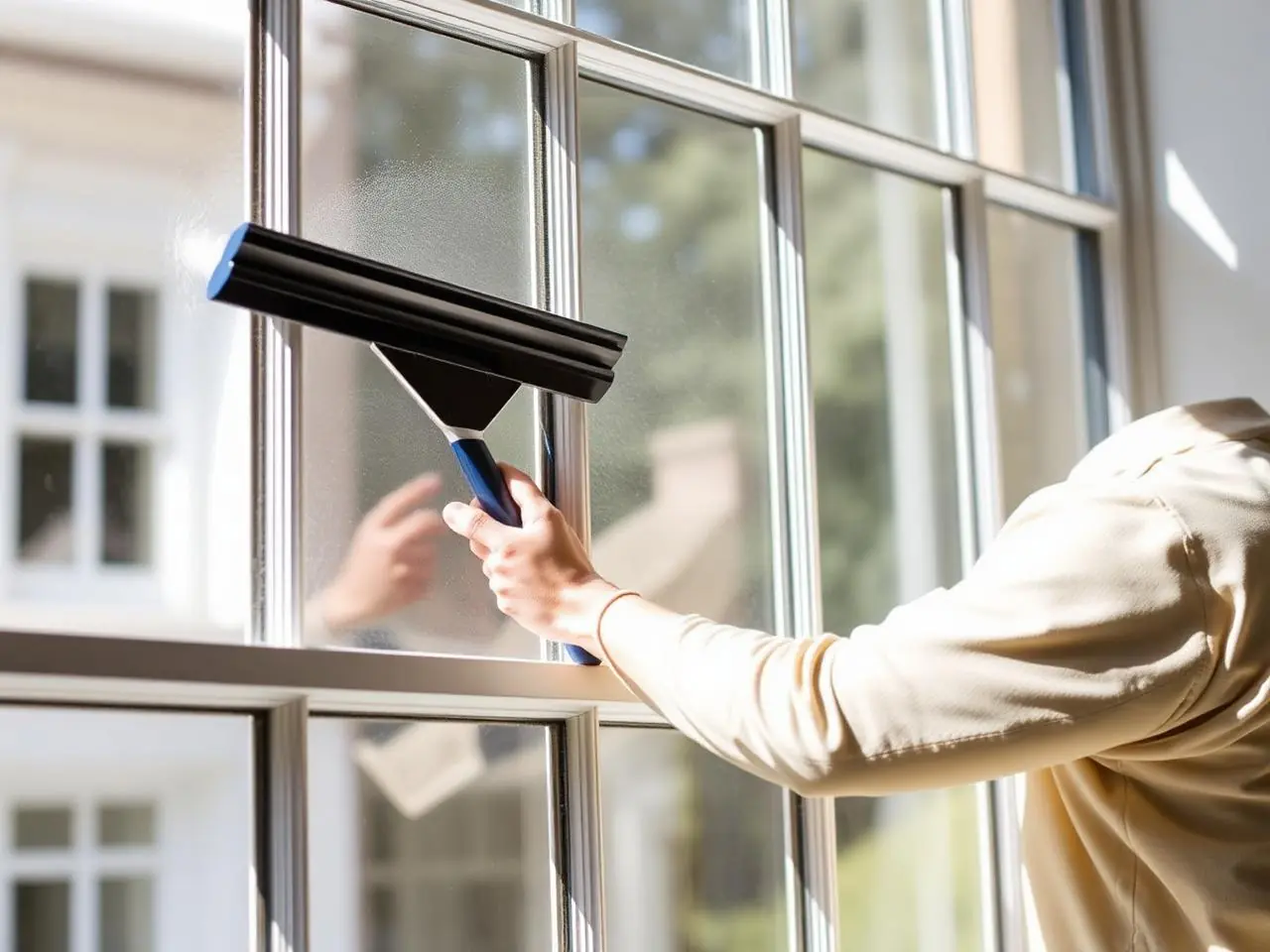
- Windows cleaned inside, plus frames, sills and tracks
- Skirting boards, door tops, radiators and light fittings dusted
- Wardrobes and drawers emptied and wiped
- All landlord furniture back in its original room and position
Outside space, storage and the paperwork
Gardens are the surprise item on many final bills: lawns cut, beds weeded, patio swept, no rubbish left. Sheds, lofts and bike stores must be empty too — anything left behind can be removed at your cost.
- Meter readings photographed with the date
- All keys, fobs and window keys returned and counted
- Bins emptied and rubbish removed, not left by the kerb
- Light bulbs all working and matching
- Smoke and carbon monoxide alarms present and beeping-free
Fair wear and tear versus damage
You are not expected to return a property in better condition than you found it. Faded paint, slightly worn carpet in a hallway after several years and small marks from normal use are generally accepted as fair wear and tear. Burns, stains, pet damage, unauthorised paint colours and a dirty oven are not.
The practical test a clerk applies is time and use: two people over four years will wear a carpet more than one person over six months, and a reasonable deduction accounts for the age of the item.
Should you pay for an end-of-tenancy clean?
Your landlord cannot usually require a professional clean as a blanket condition, but they can require the property to be as clean as it was at check-in. A professional end-of-tenancy clean is worth it when the flat was professionally cleaned before you moved in, when you have limited time, or when the oven and limescale are beyond a normal weekend's effort. Keep the receipt either way.
Common questions
- How long does an end-of-tenancy clean take?
- A one-bed flat is commonly five to seven hours for one cleaner, a two-bed longer. Ovens and limescale take the most time.
- What if I disagree with a deduction?
- Raise it with your landlord or agent in writing first. If you cannot agree, your deposit scheme's free dispute resolution service will decide based on the evidence both sides submit.
- Do I need to have carpets professionally cleaned?
- Only if your agreement says so, or if the carpets are dirtier than at check-in — for example after pets. Keep any receipt as evidence.